

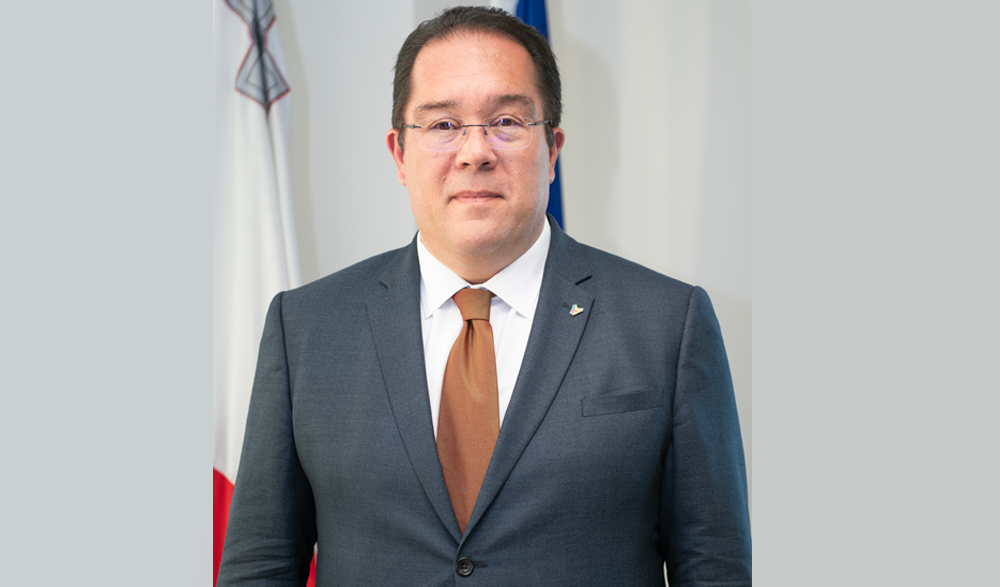
22 Oct Interview with Carlo Micallef, CEO of Malta Tourism Authority (MTA)
Malta welcomed over four million visitors last year, but its focus is shifting towards higher-value tourism. What does this mean in practice and how is the Malta Tourism Authority (MTA) driving this change?
Malta welcomed four million tourists last year and we expect around 4.5 million by the end of 2026. However, quality tourism is not just about how much visitors spend. As we discussed at the World Travel and Tourism Council last week, destination stewardship means managing tourism responsibly, attracting visitors who respect local communities and the environment and ensuring that tourism benefits the destination economically, socially and environmentally. We must also consider the length of stay. Welcoming 4.5 million tourists who stay one night less is not the same, which is why bed nights are an important measure. We want visitors to stay longer and one strategy is to promote twin-destination holidays combining Malta and Gozo.
Although they belong to the same archipelago, the islands offer different experiences. Malta is vibrant, with a European city atmosphere, nightlife, attractions and conferences. Gozo is more relaxed and rural, offering nature, diving and active holidays. Through our marketing and PR, we are encouraging visitors to experience both islands. This is challenging because travel habits are changing. People increasingly take several short breaks each year rather than one longer annual holiday. We are therefore promoting itineraries and new reasons to choose Malta for a longer stay. We are also encouraging longer stays by attracting digital nomads and promoting post-conference holidays. Malta offers a diverse range of experiences, allowing conference delegates to extend their stay and enjoy a break with their partners or families. Our goal is to increase length of stay and visitor spending while offering an authentic Maltese experience.
We want tourism to preserve our traditions, recipes, crafts and farming heritage rather than promote products that are not genuinely Maltese. Tourism should be a catalyst for reviving traditional crafts and activities that risk disappearing in an age of mass production and imports. Ultimately, we want tourism to champion and preserve Malta’s authenticity.
MTA recently launched an AI platform combining visitor surveys and official tourism statistics. How can AI improve visitor insights, tourism policy and destination management?
AI can help us manage tourism flows, improve operations and plan marketing campaigns more effectively. Real-time data can show which areas are overcrowded and which have capacity, encouraging visitors to explore destinations such as Mdina, Rabat, Mellieħa, Mosta and Gozo. Attractions may also use AI-driven dynamic pricing to help manage demand, although the MTA cannot control their pricing. AI can also help assess the impact of traffic, construction and events on tourism. Most importantly, it has transformed our marketing. Instead of spending hours analyzing surveys and outdated visitor profiles, we can now use up-to-date data to develop more precise media plans. AI will be an increasingly important tool for improving efficiency and managing tourism more effectively.
AI can improve operations and management, allowing more staff to focus on serving visitors. Tourism is a people-centered industry and technology should support, not replace, human interaction. Chatbots and automated systems can handle frequently asked questions, but a real person should always be available to welcome visitors and provide assistance. The human touch remains essential to a quality tourism experience.
What role do the DACH markets — Germany, Austria and Switzerland — particularly Austria, play in Malta’s future tourism strategy?
Our offices in Frankfurt, Vienna and Switzerland play an important role in developing the DACH markets. Switzerland is performing well and Germany offers significant growth potential. We have commissioned studies to better understand how to reach German-speaking audiences and strengthen Malta’s positioning. Traditionally, Malta has been promoted as a summer holiday destination and a place to learn English. While language learning remains important, we see opportunities in specialized professional courses, such as English for the legal, aviation and hospitality sectors. German-speaking markets have relied heavily on tour operators, but direct bookings and online travel agencies are becoming increasingly important. We need to raise Malta’s profile to attract more visitors through these channels.
With Malta International Airport expanding and Vienna Airport a significant shareholder, how can Malta-Austria cooperation strengthen air connectivity and tourism and what further opportunities do you see?
We work closely with Malta International Airport and Vienna Airport, particularly on route development, meeting with airlines together rather than working in silos. The airport’s ongoing investment reflects confidence in Malta’s tourism success and future potential. Expanding long-haul connectivity is challenging because Malta has a small population and relies heavily on visitors to sustain new routes. Unlike Sicily, which benefits from a large diaspora abroad, Malta must work harder to generate demand and establish routes on a sustainable basis. The New York route launched last year is performing well, with passenger numbers from the United States up 40% year on year. We hope to continue the route next year and are working towards that goal.
Malta is developing MICE, wellness, sports, diving, gastronomy and cultural tourism to attract visitors year-round. Which areas offer the greatest opportunities for this audience and what investments or partnerships are needed to support further growth?
Malta is much more than a resort or all-inclusive destination. It offers visitors the freedom to tailor their holidays to their interests, from gastronomy and wine to history, culture and quality nightlife. Our culinary scene ranges from Michelin-recognized restaurants to traditional Maltese cuisine, influenced by Mediterranean, Italian and French flavors. Our limited-production wines, which are rarely exported, offer another distinctive experience. We can further develop our reputation for gastronomy, cultural events and quality entertainment, with more signature restaurants, international brands, orchestras and opera performances.
Malta also has great potential as a conference destination, with unique venues such as the Mediterranean Conference Centre (MCC). Combining history, character and modern facilities, Malta offers a distinctive setting for international conferences and events. Malta offers high-quality hotels, meeting facilities and professional event services, making it an attractive destination for conferences and incentive travel from German-speaking markets.
For visitors who enjoy active holidays, Malta offers diving, snorkeling and walks through nature steeped in history, with chapels, roadside statues and prehistoric temples along the way. We are also developing faith tourism, which can complement wellness and wellbeing experiences in peaceful settings by the sea or at historic temples. Malta is increasingly attracting international pop stars and major concerts. Growing visitor numbers have made these events commercially viable, opening up new opportunities to diversify our tourism offering.
The Rolex Middle Sea Race has become a major event on the international yachting calendar, with Rolex’s partnership helping raise its profile. Starting from Malta’s spectacular Grand Harbour, the race circles Sicily before returning to Malta, attracting international competitors across several classes. This year’s race takes place on 26 October.
How is the film industry helping Malta to attract more tourism?
Malta has become an important filming destination thanks to its diverse architecture, authentic locations, skilled crews and attractive cash-rebate incentives. Its landscapes and short travel distances allow it to represent many places around the world. Increasingly, films are also showcasing Malta itself, including Enola Holmes and a planned series about the Great Siege of Malta. Productions such as Game of Thrones, filmed at Mdina’s gate and Gozo’s Azure Window, have demonstrated the power of screen tourism. Film is a valuable marketing tool. A successful production can introduce Malta to millions of potential visitors in markets such as China and India, inspiring them to experience the locations they have seen on screen.
Having spent nearly three decades with Malta’s National Tourism Organization, you have witnessed the sector’s remarkable transformation. Looking ten years ahead, what is your vision for Malta’s tourism model and how would you measure its success for the economy, local communities and visitors?
In ten years, I hope tourism will remain a key economic pillar for Malta, while contributing more to society and the environment. Having delivered significant economic benefits, the industry must now find a better balance by preserving our traditions, identity and unique character while reducing its environmental impact. Today’s travelers want authentic experiences and to discover the true spirit of a destination. I hope Malta will become even more distinctive and authentically Maltese, with tourism supporting our cultural heritage and benefiting the island sustainably.
What is your final message?
Malta is much more than you might expect: a dynamic, cosmopolitan and multicultural destination that remains deeply proud of its unique identity. Come and discover it for yourself. We will be delighted to surprise you.